


Blog
What is Vegetable Tanned Leather ?Is It Better Quality?

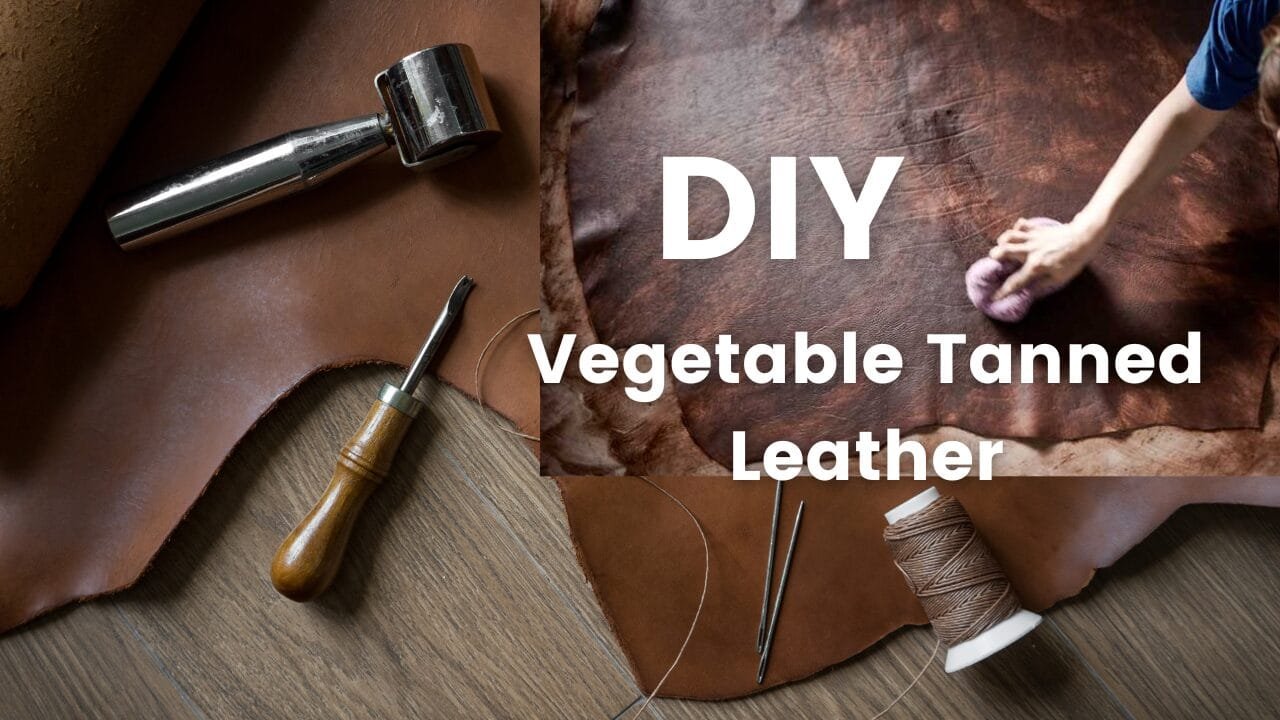
Many leather lovers and professional workers prefer this variety of leather.Due to this preference and its production process, manufacturers use vegetable-tanned leather in a wide range of products.Let’s take a look at the background, production, benefits, and disadvantages of vegetable-tanned leather.
What is Vegetable Tanned Leather?
Tanning is the preservation or treatment of skins and hides to make the kind of leather. Vegetable tanning processes employs natural organic compounds called tannins that affect the change of the skins. They apply it in approximately 10 percent of leather production. It fixes dyes, consolidates, and colors the leather.
The History of Vegetable Tanned Leather
Vegetable tanning originated more than 5 thousand years ago in Sumer (modern Iraq and Kuwait). Forums of tanning hides, early humans turned to the tree bark and leaves including that of Mimosa. Many civilizations, such as the Egyptians and Babylonians, refined this leather for clothing and bags. The Romans gradually set standards for the process. Today, areas like Tuscany in Italy still uphold this practice and produce vegetable-tanned leather.
The Vegetable Tanning Process
- Curing: The hides are slated to prevent bacterial growth.
- Liming: Hides are soaked in a lime solution to remove hair and fat.
- De-liming: Hides are soaked in another solution to lower their pH.
- Tanning: Over 30-60 days, hides are moved through drums filled with tanning solutions of varying concentrations.
- Drying: Hides are dried over several days.
- Treatment: Leather is oiled, stretched, trimmed, and sometimes given additional finishing treatments.
Pre-Tanning Steps
Leather production often uses hides from the meat industry. These hides are first salted to prevent bacteria. Next, they undergo liming to remove hair and fat, followed by de-liming to rehydrate and prepare them for tanning.
The Tanning Process
During the tanning phase, they place hides in drums with tannin solutions. They pass down the exact blend of tannins through generations as a closely guarded secret. Over about a month, they rotate the hides through different drums, allowing them to absorb tannins and transform into leather.
Treatment After Tanning
After tanning, they dry and oil the hides to restore lost natural fats. This process makes the leather more durable and enhances its color. They then stretch, trim, and measure the leather, adding any additional finishing touches.
Benefits of Vegetable Tanned Leather
- Durability: Vegetable tanned leather is strong and can last a lifetime if well cared for.
- Aroma: It has a distinct, somewhat sweet smell.
- Color: The tannins give the leather rich, earthy tones.
- Breathability: The leather absorbs moisture and oils, developing a beautiful patina over time.
- Artisan Craftsmanship: Knowing that skilled artisans using ancient techniques made the leather adds a sense of prestige.
- Eco-Friendliness: The process uses only natural and organic substances.
Drawbacks of Vegetable Tanned Leather
Cost: Vegetable tanned leather is more expensive due to the time and labor involved in its production.
Stiffness: It can feel stiff at first but softens over time.
Water Resistance: It is less water-resistant compared to chemically treated leather.
Not Suitable for All Products: Its properties make it less ideal for thin or stretchy materials like clothing or car upholstery.
Vegetable Tanning vs. Chrome Tanning
Where vegetable tanning employs natural tannins, chrome tanning innovated in 1858 employs chemical substances such as chromium sulphate. Chrome tanning is relatively faster and cheaper and provides the leather within one day. Chrome tanned leather is less durable and does not patina, however, it is more water resistant and comes in better colors.
Environmental Impact
Vegetable tanning uses a lot of water, which can impact local water sources. However, chrome tanning poses greater environmental risks, especially in developing countries. The chemicals used in chrome tanning can contaminate water sources and harm wildlife and agriculture.
Conclusion
Some of the benefits associated with this leather include; this leather wears out very rarely, it has a natural finish and it is environmentally friendly. Choosing genuine leather might cost more and take time, but understanding its value makes it a worthwhile investment.
Discover the timeless appeal of vegetable tanned leather! Explore its rich history, detailed production process, and unique benefits. Visit JacketsPlanet.com to find high-quality, eco-friendly leather products crafted with care.