


Blog
Leather Revolution: Old vs. New Ways of Making Material

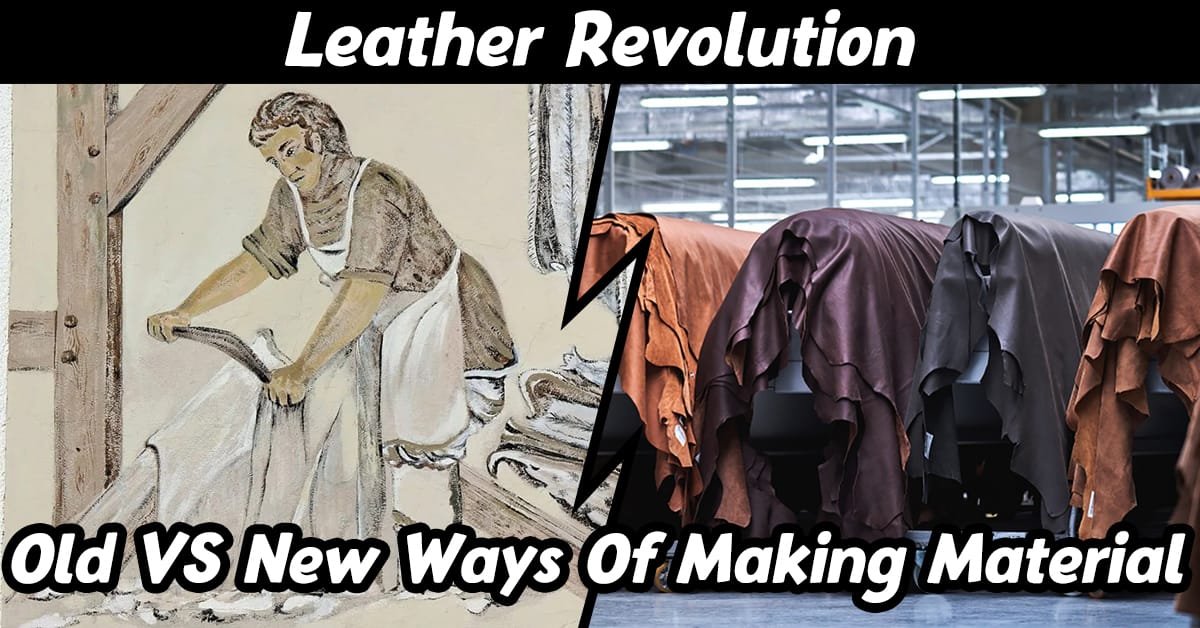
The old conventional way of making leather had been old for centuries but the traditional leather-making writ concerned labor-intensive trouncing with natural materials, but new methods range efficiency, sustainability, and creativity. Newer ways to make leather are all about doing it faster, greener, and outstrip. Desire machines exploit factories to start leather quicker, possession up with everyone's needs. Eco-friendly tanning methods use safer shove and little liquid, which is reputable for the follower. Robots and computers are reliable, everything is consistent, so you can trust the leather you buy. Regular faux leathers are feat outdo, looking and feeling just as cracking as the proper object. All these advancements are making the leather industry so prompt, sustainable, and original, which is pretty chill!
Table of Contents
ToggleProcess of Traditional Leather crafting
The traditional operation of making leather involves several steps:
Preparation of the Skin: This involves removing any flesh and textile from the animal's skin. Tanners loosen hair and flesh by soaking the hide in a strong alkaline solution. They then scrape them away with a specialized knife called a fleshing knife.
Tanning: tanning is the knowledge of converting the raw hide into leather by treating it with tannins, which are naturally occurring compounds found in plants or unnaturally produced. Tannins bind to the collagen fibers in the hide, stabilizing them and preventing them from going bad. Craftspeople traditionally turned raw hides into leather by soaking them in a powerful tanning solution. This solution, often made for weeks or months, contained tannins extracted from tree bark like oak or hemlock, or from other plant sources. The length of the soak depended on the desired final quality of the leather.
Neutralization: Tanners neutralize the leather after tanning to remove any leftover alkalinity from the tanning process. This is typically through by soaking the leather in a result of carbonate of salt or ammonium salts.
Finishing: After tanning and neutralization, tanners prepare the leather for finishing. Completion processes can include dyeing, oiling, waxing, or buffing the leather to reach the desirable color, texture, and effulgence.
Drying and Conditioning: Leather throws off excess moisture after finishing through air drying. Traditionally, craftspeople hung hides in well-ventilated areas, away from direct sunlight, to achieve this. Once dry, leather can be treated with oils or conditioners to enhance its flexibility and durability.
This conventional process of making leather is labor-intensive and time-consuming but results in a perdurable and high-quality touchable prized for its power, flexibility, and natural beauty.
Eco-Friendly Leather for the Future
Chrome Tanning:
Chrome tanning, introduced in the mid-19th century, and revolutionized leather production, offering quicker processing and durability compared to traditional methods.
- Speedy Modification: Chromium salts qualify the tanning process, significantly reducing the time required compared to traditional methods.
- Enhanced Softness: This technique results in leather that is noticeably softer and suppler, giving restored condition and flexibility.
- Resource Efficient: Chrome tanning utilizes both little abstraction and water compared to traditional methods, making it a more streamlined and potentially more sustainable alternative.
Synthetic Leather:
Synthetic leather, an alternative to traditional leather, was introduced in the leather industry in the late 19th century.
- Beyond Animal Products: Crafted from polymers such as polyurethane and PVC, synthetic leather offers a cruelty-free alternative.
- Looks the Part: This real closely resembles existent leather in both pretense and conceive, providing a possible aesthetic feel to it.
- Versatile and Serviceable: Featuring versatility for various applications and boasting formidable strength, logical leather stands out for its practicality.
Waterless Tanning:
Waterless tanning in the leather industry was introduced in the year 1887, revolutionizing traditional methods of leather processing.
- H2Zero Hero: This groundbreaking coming minimizes water usage throughout the flogging impact, and reaction to its environmental fight.
- Clean & Naive: By minimizing nutrient employment, waterless lacing also reduces the necessity for toxic chemicals, contributing to a shopkeeper and more sustainable transformation.
- Sustainable Style: This method prioritizes sustainability spell maintaining the wanted property and characteristics of leather.
Biotechnological Tanning:
Biotechnological tanning debuted in the leather industry in the late 20th century, revolutionizing the process with environmentally friendly methods.
- Bio Cognition: This method harnesses the power of enzymes or microbial agents, offering better environmentally friendly methods than other methods.
- Chemical Clean-Up: By utilizing life agents, this outgrowth reduces dependence on toxic chemicals, contributing to a much more sustainable approach.
- Eco-Friendly Tanning: This modern method offers eco-friendly alternatives for the rising of leather production, minimizing environmental impact.