
Clothing Fabric History

History of Fur Clothing

History of Fur Clothing

Fur clothing, crafted from the preserved skins of mammals, stands as one of the earliest manifestations of human attire, dating back at least 120,000 years. The term 'fur' is commonly associated with specific garments like coats, wraps, or shawls, fashioned from the pelts of animals. Its utilization transcends mere protection against cold climates, extending to a historical emblem of social status, evident as far back as 2,000 years ago when ancient Egyptian elites, including royalty and high priests, adorned themselves with leopard skins.

Throughout history, European and Middle Eastern cultures often designed fur garments with the fur facing inward and cloth on the exterior. However, a transformative shift occurred in the 19th century when the trend veered towards wearing seal fur coats with the fur prominently displayed on the outside. Today, both styles persist globally, with fur linings providing enhanced thermal insulation, while external furs primarily serve a fashionable purpose.

Fur clothing's enduring appeal highlights its varied role, combining useful use with a rich history intertwined with cultural and stylistic nuances. Fur has always been a part of human society, from its practical beginnings to its current fashion statements. It provides both weather protection and an opportunity for a personal style statement.

From Primal Protection to Poaching Pressure: The Story of Leopard Fur

The leopard (Panthera pardus), belonging to the Panthera genus, stands among the five existing species. Displaying a slender, muscular physique, it boasts a pale yellow to dark golden fur adorned with dark spots arranged in rosettes. With a body length spanning 92–183 cm (36–72 in), a tail measuring 66–102 cm (26–40 in), and a shoulder height of 60–70 cm (24–28 in), leopards are characterized by males weighing 30.9–72 kg (68–159 lb) and females ranging from 20.5–43 kg (45–95 lb).

First documented in 1758, leopards comprise eight recognized subspecies across their extensive habitats in Africa and Asia. Evolving in Africa during the Early Pleistocene, they migrated to Eurasia around the Early–Middle Pleistocene transition, becoming extinct in Europe around 11,000 years ago.

Adaptable to diverse landscapes, from rainforests to steppes, leopards, listed as Vulnerable on the IUCN Red List, face threats due to habitat loss. Operating as opportunistic predators, they rely on their spotted camouflage for stealthy hunting, often dragging prey up trees. Solitary except during mating and cub-rearing periods, females give birth to 2–4 cubs every 15–24 months. Achieving sexual maturity around 2–2.5 years, leopards have played cultural roles in Ancient Greece, West Africa, and modern Western fashion, where their skins remain popular.

From Status Symbol to Sustainability Struggle: The Enduring Debate Over Fur

Fur, regarded as one of the earliest materials for clothing, holds a debated history, with Homo sapiens and Homo neanderthalensis using fur clothing from diverse animal hides like bison, muskox, and woolly rhinoceros. In England, "sumptuary legislation" dictated fur-wearing privileges, creating social distinctions. Leopard, snow leopard, and cheetah were exclusive to the aristocracy, while fox and hare were for the middle class, and goat and sheepskin for the lower class. As populations of fur-bearing animals dwindled in West Europe, imports from the Middle East and Russia increased.

Beyond clothing, fur found new purposes; beaver became coveted for hats, particularly in wartime. Fur's use extended to accessories like hats, hoods, scarves, and muffs, often adorned with animal visuals. The 19th century introduced indoor jackets made from seal and karakul. In the 20th century, fur gained fashion prominence in Western Europe, with mink becoming highly sought after. The 1960s favored luxury furs like blond mink and jaguar. Germany dominated the fur market in 1970, but by 1999, Britain banned fur farming.


The 1980s saw animal rights groups spotlighting fur's ethical concerns, leading to a decline in demand. In the 21st century, Denmark, Holland, and Finland led captive breeding of foxes and mink. Indigenous people and some societies still value fur for its warmth, but synthetic alternatives gained popularity, challenging the fur industry. A change occurred in the fashion industry when designers such as Stella McCartney avoided fur due to animal welfare issues. Leading labels such as Ralph Lauren, Givenchy, and Gucci adopted this strategy.

The synthetic fur industry emerged in the 20th century, creating affordable alternatives. Natural fur's popularity waned, with high-end brands like Hermès and Dior persisting. The debate on fur's sustainability continues, with discussions on synthetic alternatives and ethical practices in fur production. The fashion industry's future relationship with fur depends on evolving consumer demands and ethical considerations, shaping the trajectory of this once-dominant material.

From Fluffy Fox to Forbidden Feline: A Look at the Many Sides of Fur

Fur clothing and accessories find their origins in a variety of animal sources, including fox, mink, rabbit (particularly the rex rabbit), finnraccoon (known as tanuki in the industry), lynx, bobcat, polecat (referred to as 'fitch'), muskrat, beaver, stoat (ermine), marten, otter, sable, civet, seals, karakul sheep, muskox, caribou, llama, alpaca, skunk, coyote, wolf, chinchilla, opossum, and common brushtail possum. While some furs are highly prized, there are distinct grades and colors. In the past, leopards, jaguars, tigers, lemurs, and Colobus monkeys were common, but international regulations, such as CITES laws, have rendered these furs illegal.
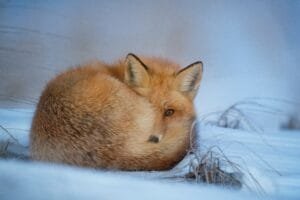
Fluffy Fox to Forbidden

Every kind of fur has its unique characteristics. For instance, fox fur is delicate yet silky, while coyote hair is tough and works well as a wind barrier. Due to concerns about the environment, the US outlawed the import and sale of seal goods in 1972, which affected Indigenous communities who depended on seal hunting for a living. The United States prohibited the import, export, and sale of domesticated cat and dog fur in 2000 under the Dog and Feline Protection Act.

Fur is primarily obtained from domesticated animals like mink, foxes, and rabbits for high-end shops.  Cruel killing methods have raised awareness, prompting animal rights activists to advocate for better animal protection. The European Commission's Scientific Committee on Animal Health and Animal Welfare (SCAHAW) in 2001 highlighted the limited active selection of fur-bearing animals, especially concerning fur characteristics, compared to other farm animals.

The Purpose of Fur use in made Jackets:

Before we talk about why hood jackets have fur, let's understand why fur on hoods is important historically. Fur has been used for:


1. Keeping Warm: In really cold places like the Arctic, people needed practical ways to stay warm. Fur-lined hoods became crucial for insulation against extreme cold. Indigenous communities developed smart ways of hunting and trapping animals for their fur, using it to protect themselves from freezing temperatures. Hoods with fur not only kept their faces warm but also prevented frostbite and hypothermia without blocking their vision or breath.

2. Cultural Meaning: Fur in hooded jackets is more than just practical; it's part of our culture. It represents a strong connection between people and nature. In many communities, fur-lined hoods are not just for everyday wear – they're also part of ceremonial clothing. This reflects the unique stories and traditions of different cultures, making fur an important aspect of their identity

3. Symbol of Wealth: Throughout history, having fur on your clothes, especially on hoods, became a sign of luxury and high status. Kings, queens, and important people would wear fur-lined garments to show off their wealth and power. Some types of fur were so rare that only a few could have them, making these hoods even more desirable and prestigious.

The Functional Role of Fur in Cold Weather Today:

Fur jacket

Insulation: Fur is integrated into hood jackets primarily for its exceptional insulation. With inherent thermal properties, it traps air, preserving heat and ensuring the wearer stays warm in cold weather.

Moisture Wicking: Fur can effectively wick away moisture, making the wearer comfortable and dry. The fur on a jacket's hood functions as a barrier in wet or snowy conditions, keeping water from entering into the face and neck region and providing a further layer of protection.

Durability: Fur boasts exceptional durability, resisting wear and decay. Its resilience, ideal for outdoor activities, makes it a top choice for those involved in winter sports or spending extended periods in cold climates.

Fur or Fake Fur: Let's Compare

Fur provides excellent insulation, but synthetic materials are emerging as alternatives. Technological progress aims to mimic fur's insulating properties. However, differences exist between natural and synthetic furs in the market.

Natural FurSynthetic Fur
Retain warmth by trapping air close to the body, ensuring insulation for the wearer.Synthetic fibers may not mimic fur's air-trapping mechanism, leading to decreased thermal efficiency.
Exceptionally breathable, enabling moisture to evaporate and keeping the wearer dry, preventing the accumulation of sweat and ensuring comfort.Synthetic materials may struggle to match the breathability of natural counterparts, risking discomfort and perspiration buildup, crucial in active outdoor activities.
Natural fur is a sustainable resource, sourced from animals specifically bred for their fur.Synthetic materials frequently depend on non-renewable resources, posing potential environmental concerns.

Leave a Reply

Your email address will not be published. Required fields are marked *